


Gas trailers play a crucial role in transporting various types of gases safely and efficiently. In this blog post, we will discuss how to troubleshoot common issues that may arise with different types of gas trailers including Gas Trailer, LPG Trailer, CNG Trailer, and CO₂ Trailer.
Understanding the Different Types of Gas Trailers
Gas Trailer: A general term for trailers designed to transport gases. These can be used for a variety of gases depending on the specific requirements.
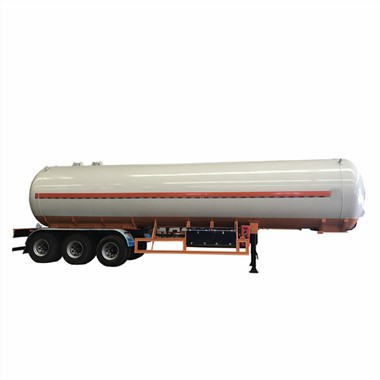
LPG Trailer: Liquefied Petroleum Gas trailers are used to transport propane and butane. LPG is a popular fuel source for many applications due to its relatively high energy content and ease of storage.

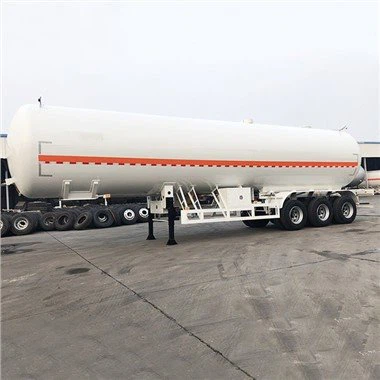

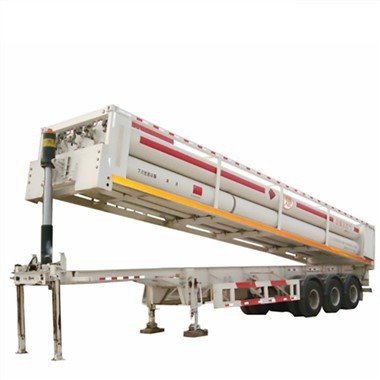
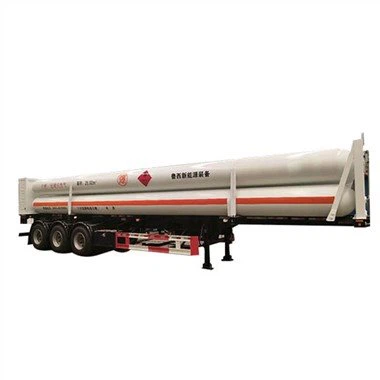
CNG Trailer: Compressed Natural Gas trailers are used to transport natural gas in a compressed form. CNG is a cleaner burning alternative to traditional fossil fuels and is gaining popularity in the transportation sector.
CO₂ Trailer: Used to transport carbon dioxide, which has various industrial applications such as in food processing, beverage carbonation, and fire suppression systems.
Common Issues and Troubleshooting Steps
1. Leaks
Leaks are one of the most common issues with gas trailers. They can pose a serious safety hazard and lead to loss of gas.
Inspection: Regularly inspect the trailer for any signs of leaks such as unusual smells, hissing sounds, or visible gas escaping. Check all connections, valves, and fittings.
Pressure Testing: Perform pressure tests to detect leaks. This can be done using specialized equipment that can detect even small leaks.
Repair: If a leak is detected, it is essential to repair it immediately. Depending on the location and severity of the leak, this may involve tightening connections, replacing gaskets or seals, or welding if necessary.
2. Valve Malfunctions
Valves are critical components of gas trailers and any malfunction can lead to problems.
Check Valve Operation: Ensure that valves are opening and closing properly. Stuck or partially closed valves can restrict the flow of gas or cause pressure build-up.
Cleaning and Maintenance: Regularly clean and maintain valves to prevent dirt and debris from interfering with their operation. Lubricate valves as per the manufacturer's instructions.
Replace Damaged Valves: If a valve is damaged or not functioning properly, it should be replaced promptly. Use genuine replacement parts to ensure proper fit and function.
3. Pressure Problems
Incorrect pressure levels can affect the safety and performance of gas trailers.
Monitor Pressure Gauges: Regularly check pressure gauges to ensure that the pressure is within the recommended range. Abnormal pressure readings may indicate a problem.
Pressure Relief Valves: Ensure that pressure relief valves are functioning properly. These valves are designed to release excess pressure to prevent explosions.
Adjust Pressure Settings: If the pressure is too high or too low, it may be necessary to adjust the pressure settings. This should be done by a qualified technician following proper safety procedures.
4. Corrosion
Corrosion can weaken the structure of gas trailers and lead to leaks and other problems.
Inspect for Corrosion: Regularly inspect the trailer for signs of corrosion, such as rust, peeling paint, or pitting. Pay particular attention to areas where moisture and chemicals may be present.
Prevention: Take steps to prevent corrosion by keeping the trailer clean and dry. Apply protective coatings as recommended by the manufacturer.
Repair Corroded Areas: If corrosion is detected, it should be repaired promptly to prevent further damage. This may involve sandblasting, painting, or replacing corroded parts.
5. Temperature Issues
Extreme temperatures can affect the performance and safety of gas trailers.


Monitor Temperatures: Keep an eye on the temperature of the gas and the trailer. High temperatures can cause pressure build-up, while low temperatures can cause gases to liquefy or freeze.
Insulation: Use proper insulation to protect the gas from extreme temperatures. This can help maintain stable pressure and prevent damage.
Temperature Controls: Some gas trailers may have temperature control systems. Ensure that these systems are functioning properly to maintain the desired temperature range.
Safety Precautions
When troubleshooting gas trailers, it is essential to follow proper safety precautions to prevent accidents and injuries.
Wear Protective Gear: Wear appropriate personal protective equipment such as gloves, safety glasses, and hard hats.
Ventilate the Area: Ensure that the area where you are working is well-ventilated to prevent the build-up of gas.
Follow Procedures: Follow proper troubleshooting procedures and safety guidelines provided by the manufacturer.
Call for Professional Help: If you are unsure about how to troubleshoot a particular issue or if the problem appears to be serious, call for professional help.
In conclusion, troubleshooting common issues with gas trailers requires knowledge, skill, and attention to detail. By understanding the different types of gas trailers and following proper troubleshooting procedures and safety precautions, you can ensure the safe and efficient operation of your gas trailer. Remember to always prioritize safety and seek professional help if needed.


