


Tanker trailers are essential pieces of equipment in various industries, playing a crucial role in transporting liquids and bulk materials. In this blog, we'll explore everything you need to know about installing a tanker trailer, with a focus on different types such as fuel tank trailers, oil tank trailers, chemical tank trailers.
Understanding Tanker Trailers
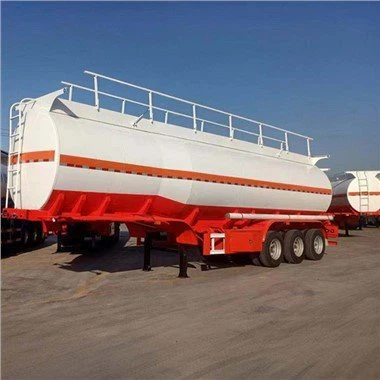
A tanker trailer is a specialized vehicle designed to carry liquids or gases. These trailers are typically made of durable materials to withstand the pressures and corrosive nature of the substances they transport. They come in various sizes and configurations to meet the specific needs of different industries.


Types of Tanker Trailers
Fuel Tank Trailer
Fuel tank trailers are used to transport gasoline, diesel, and other petroleum products. They are equipped with safety features such as anti-static devices and emergency shut-off valves to prevent accidents.
These trailers often have multiple compartments to separate different types of fuels or to meet specific volume requirements.
Fuel tank trailers must comply with strict regulations regarding safety and environmental protection.
Oil Tank Trailer
Oil tank trailers are designed to transport various types of oils, including crude oil, lubricating oils, and edible oils.
They are constructed with materials that are resistant to corrosion and can handle the viscous nature of oils.
Oil tank trailers may have heating systems to keep the oil at a suitable temperature for easy pumping and unloading.
Chemical Tank Trailer
Chemical tank trailers are used to transport a wide range of chemicals, including acids, bases, solvents, and hazardous materials.
These trailers are built to meet the highest safety standards and are often made of materials that are resistant to chemical corrosion.
Chemical tank trailers may have special linings or coatings to protect the trailer from the chemicals being transported and to prevent leaks.


Installation Considerations
Site Preparation
Before installing a tanker trailer, it's important to prepare the site properly. This includes ensuring that the area is level and has adequate drainage to prevent water accumulation.
The site should also be accessible for the trailer to be easily maneuvered into position.
Consider any potential obstacles such as power lines, trees, or buildings that could interfere with the installation process.
Foundation Requirements
Depending on the size and weight of the tanker trailer, a suitable foundation may be required. This could include a concrete pad or a reinforced gravel base.
The foundation should be designed to support the weight of the trailer and its contents without sinking or shifting.
Consult with a structural engineer to determine the appropriate foundation requirements for your specific trailer.
Connection to Utilities
If the tanker trailer requires utilities such as electricity or compressed air, make sure to plan for the proper connections.
Electrical connections should be made by a qualified electrician to ensure safety and compliance with electrical codes.
Compressed air lines should be properly sized and installed to provide sufficient pressure for operating valves and pumps.
Safety Features
Installing safety features is crucial when setting up a tanker trailer. This includes fire extinguishers, emergency shut-off valves, and spill containment systems.
Ensure that all safety equipment is properly maintained and regularly inspected to ensure its effectiveness.

Train employees on the proper use of safety equipment and emergency procedures.
Regulatory Compliance
Permits and Licenses
Depending on the type of tanker trailer and the substances being transported, you may need to obtain various permits and licenses.
Contact your local transportation department and environmental agencies to determine the specific requirements for your operation.
Make sure to keep all permits and licenses up to date to avoid fines and penalties.
Inspections
Tanker trailers are subject to regular inspections to ensure compliance with safety and environmental regulations.
Inspections may include visual checks of the trailer's structure, testing of safety equipment, and verification of proper labeling and documentation.
Schedule regular inspections and address any issues promptly to maintain the safety and integrity of your tanker trailer.
Maintenance and Care
Regular Inspections
Perform regular inspections of your tanker trailer to identify any signs of wear, damage, or leaks.
Check the trailer's structure, valves, pumps, and safety equipment for proper functioning.
Inspect the tires, brakes, and lights to ensure they are in good condition.
Cleaning and Maintenance
Clean the tanker trailer regularly to remove any residue or contaminants. This helps prevent corrosion and ensures the purity of the substances being transported.
Follow proper maintenance procedures for the trailer's components, such as lubricating pumps and valves, and replacing worn parts.
Keep records of maintenance activities for future reference.
Training and Education
Provide training to employees who operate and maintain the tanker trailer. This includes training on safety procedures, loading and unloading operations, and emergency response.
Stay updated on industry best practices and regulatory changes to ensure compliance and improve safety.
In conclusion, installing a tanker trailer requires careful planning, consideration of different types and their specific requirements, and compliance with regulatory standards. By understanding the installation process, safety features, and maintenance needs, you can ensure the safe and efficient operation of your tanker trailer in transporting liquids and bulk materials.


